?unique=d68bd7a)
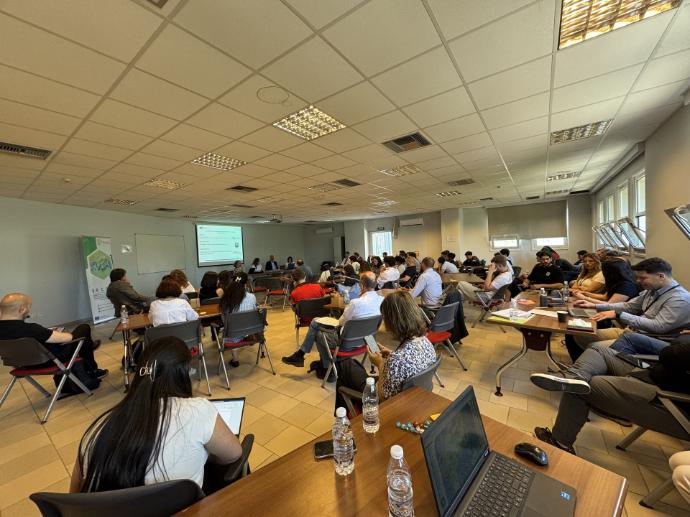
GAIA successfully organised the SECOVE Transnational Workshop “Sustainability and Exploitation at Skills related European Projects”, held in Athens on 21 May 2026. The event brought together European projects, experts and organisations working in the fields of skills development, vocational excellence, innovation, green transition and sustainable energy, creating a valuable space for exchange, reflection and future cooperation.
The workshop was organised within the framework of the SECOVE project, an Erasmus+ initiative focused on creating a transnational network of Centres of Vocational Excellence through Innovation Hubs, a collaboration platform and other activities aimed at shaping a skilled and sustainable workforce in the field of Sustainable Energy. Through this event, GAIA reinforced its commitment to promoting European collaboration, maximising the impact of project results and supporting the long-term sustainability of initiatives linked to skills and innovation.
One of the main objectives of the workshop was to address a key challenge shared by many European projects: how to ensure that results are effectively exploited and remain sustainable beyond the project lifetime. The event provided participants with the opportunity to share experiences, identify common challenges, present successful approaches and explore new synergies among projects working in related fields.
The session was moderated by Maria Scordialos and Alexandros Pantazidis from Pedio Dialogou, who guided the discussions and encouraged active participation throughout the day. The event opened with an introduction to the workshop objectives and agenda, followed by a contextual session on exploitation and sustainability led by Natassa Kazantzidou, Head of International Projects at IDEC. Her contribution helped frame the discussion around the importance of planning for long-term impact, stakeholder engagement and the effective use of project outcomes.
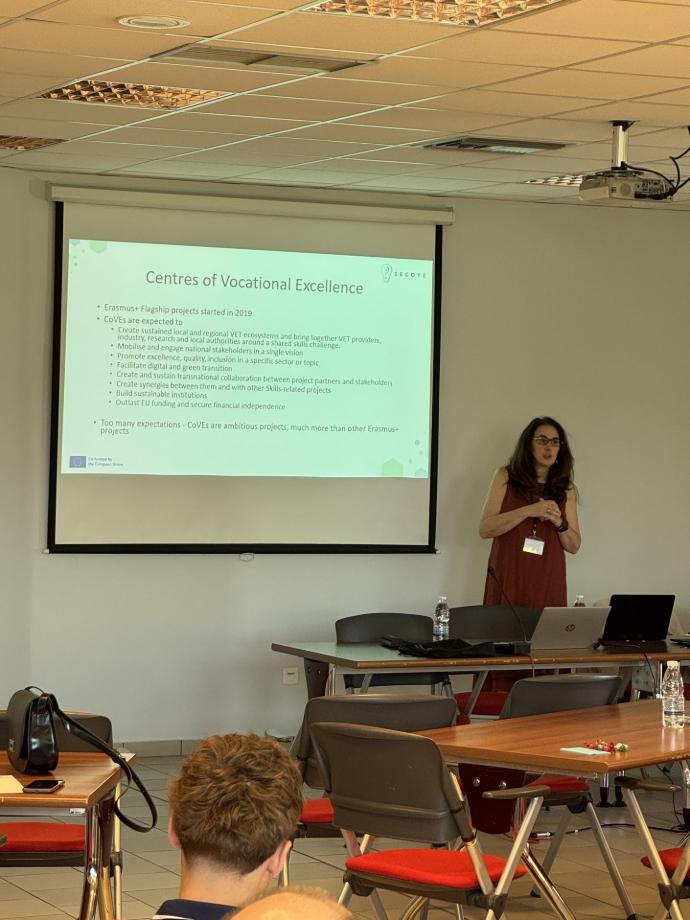
The first part of the workshop focused on opportunities and challenges in skills-related European projects, especially in the context of Centres of Vocational Excellence and Skills Alliances. Several European initiatives were presented, offering participants concrete examples of how different projects are approaching sustainability, exploitation and impact.
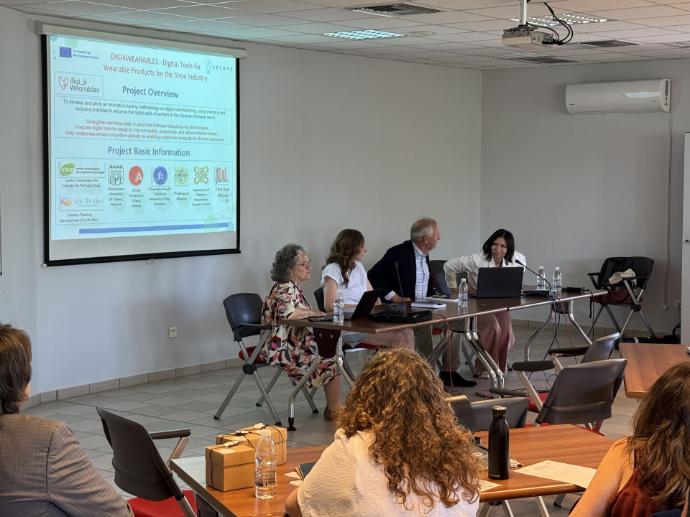
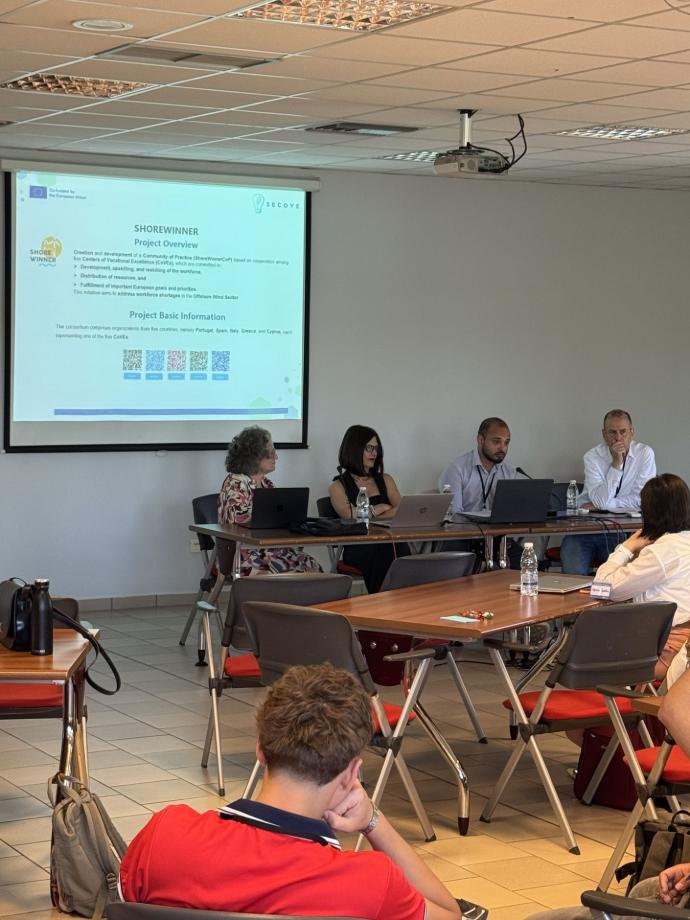
The workshop included the participation of Dimitris Mylonakis, Research Assistant at the Hellenic Centre for Marine Research, who presented the SHOREWINNER project; Federica Ruggiero, Sociologist, European project coordinator, consultant and trainer at CIOFS-FP, who introduced PortAbiliTy; and Martijn Rietbergen, Sustainability Programme Manager at University of Applied Science Utrecht, who shared insights from the SEED project. Their presentations highlighted relevant outputs, challenges and opportunities connected to vocational excellence and skills development.
The discussion continued with projects linked to Skills Alliances and innovation. Dr. Volha Yakavenka, Lead Project Manager at the Aristotle University of Thessaloniki, presented ASC4INN; Jon HerfKens, Director of Human Capital Programs at Katapult/PTvT, introduced the Katapult Toolkit; and Tatjana Spahiu, Head of the Teaching Group “Garment Technology and Design” at the Polytechnic University of Tirana, presented Digi4Wearables. These contributions enriched the debate by showing diverse approaches to cooperation, innovation, training and sectoral skills development across Europe.
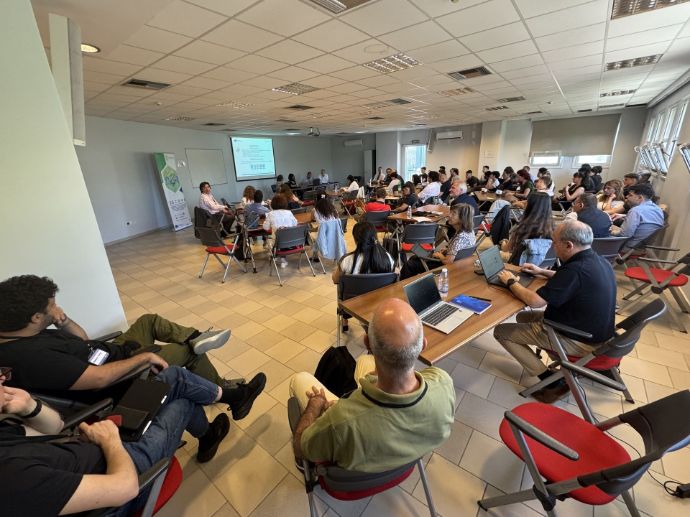
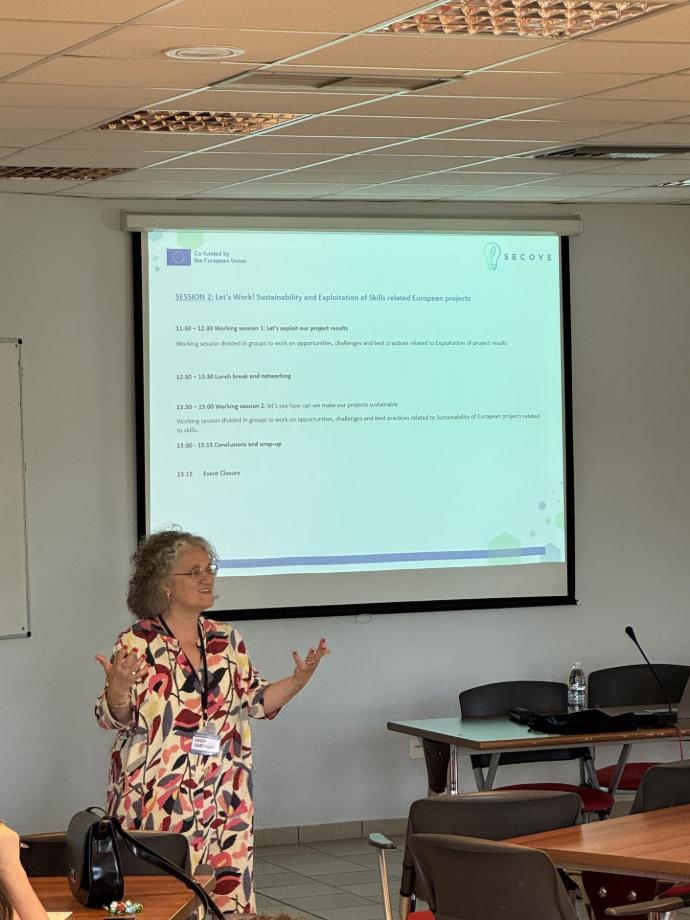
A key factor in the success of the event was its practical and participatory format. After the project presentations and panel discussions, participants took part in two working sessions dedicated to the exploitation and sustainability of project results. These sessions allowed attendees to work collaboratively in groups, identify best practices, reflect on common barriers and propose strategies to strengthen the long-term impact of European projects related to skills.
The workshop also provided an excellent opportunity for networking. Participants were able to connect with other organisations, discover complementary initiatives and explore potential future collaborations. This exchange of knowledge and experience contributed to building a stronger European community committed to sustainable skills development and innovation.
As an additional outcome, the workshop generated conclusions, best practices and success stories that will serve as a practical reference for ongoing and future projects. These results will help partners and stakeholders apply proven approaches to improve exploitation, sustainability and transferability, while increasing the overall impact of European initiatives.
Overall, the SECOVE Transnational Workshop in Athens was a highly successful event that demonstrated the value of cooperation among European skills-related projects. By organising this workshop, GAIA contributed to strengthening connections between projects, promoting meaningful dialogue and supporting the development of sustainable strategies for long-term impact. The event confirmed the importance of working together to ensure that European project results continue to generate value for learners, professionals, organisations and society beyond the formal duration of each initiative.

Financiado por la Unión Europea. Sin embargo, los puntos de vista y opiniones expresados son exclusivamente los del autor/a o autores/as y no reflejan necesariamente los de la Unión Europea ni los de la Agencia Ejecutiva en el Ámbito Educativo y Cultural Europeo (EACEA). Ni la Unión Europea ni la EACEA son responsables de las mismas.
Proyecto nº: 101056201